
How to de-alcoholize wine: the various processes made simple
I was told that I had to give up drinking alcohol for health reasons, so I picked up a bottle of wine in the grocery store, and I saw the words "de-alcoholized wine," or "vin désalcoolisé." I had seen the words "non-alcoholic" and "alcohol-free" before, but this word was new to me.
When I got home, I started asking questions. Do they put something into the wine? What do they take out? What does "de-alcoholized" actually mean?
So, I did what I always do when I question something. I did some research. Here is a summary of what I learned in plain language.
What does de-alcoholized mean?
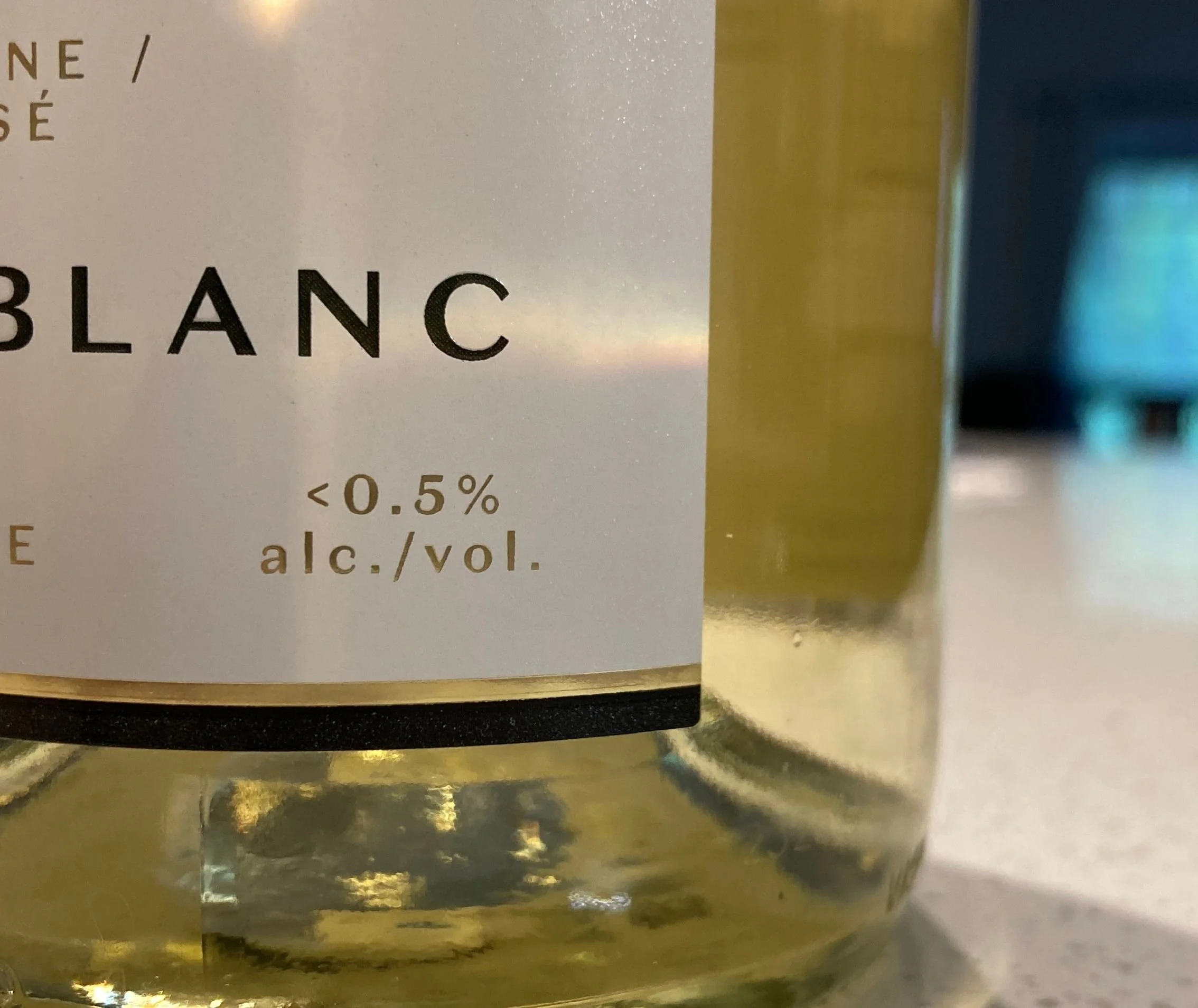
The dictionary definition of de-alcoholized is simple. Remove alcohol from a substance. In this case, the substance is wine.
De-alcoholized wine usually starts its life as a fully fermented wine. During fermentation, yeast helps grape juice turn into wine. That step creates much of what we associate with wine, like body, texture, flavour, and aroma. Basically, the characteristics that we are all familiar with in a glass of wine.
After the grape juice has evolved into wine, it is de-alcoholized. It is brought to a level that is non-intoxicating, less than .05% ABV (alcohol by volume).
Reducing the alcohol is not the end of the process. Producers have more work to do to bring a bottle of non-alcoholic wine to your table.
Why de-alcoholization changes what you taste
Removing alcohol can change more than the intoxication effect of the wine.
Alcohol contributes to how wine smells and tastes and how it feels in your mouth. De-alcoholized wine can taste a little lighter and sweeter. Sometimes the aromas are not quite what you are familiar with.
Producers deal with this by testing, adjusting, and refining the final product until it still feels like something you want to drink with dinner and enjoy socially. It is almost like the wine has been reconstructed.
How they de-alcoholize wine, explained simply
Spinning Cone Column (The Gentle Steam Method)
Wine is spread into a thin layer as it moves through a spinning column, allowing the elements to separate easily. Gentle heat and steam turn the alcohol and flavour into a mist. The flavour is captured and set aside. The remaining alcohol is mostly drawn away and discarded. The saved flavour blended back into the wine.
Vacuum Distillation (The Low-Temp Boil)
Wine goes into a sealed chamber to drop the boiling point. The air is sucked out to create a vacuum, and the low pressure allows the liquid to boil at room temperature. Gentle heat vaporizes the alcohol without cooking the wine. The alcohol vapour rises to the top and is sucked away while the flavour stays behind at the bottom of the tank.
Reverse Osmosis (The Ultra-Filter)
Wine passes through a microscopic screen using high pressure. The screen separates the alcohol from the rest, while helping keep flavour components. The alcohol fraction is removed, and then flavour components are blended back in to produce a de-alcoholized wine.
Comparing the methods:
Spinning Cone Column
It can be closer to traditional wine flavour, but the result depends on the producer and the wine that they use. It uses the lowest heat, so the wine usually avoids a cooked taste.
There is hardly any damage to the wine. This process protects the delicate fruit aromas.
It is the most expensive method
Vacuum Distillation
The wine is boiled gently at room temperature, keeping the core flavour mostly intact.
There is some damage to the wine. The boiling process still accidentally evaporates away some of its delicate floral aromas.
It is the cheapest and fastest method for big factories to make bulk wine.
Reverse Osmosis
The flavour is good. The process often avoids heavy heat, which helps prevent a cooked flavour.
The texture of the wine is damaged. Pushing the wine through microscopic filters separates the alcohol perfectly, but can leave the wine feeling texturally thin.
It is the newest process, and uses modern, high-tech filtration systems instead of traditional heat setups.
What I think about taste after learning this
Learning how de-alcoholization works changed my expectations of non-alcoholic wine.
I no longer assume that all de-alcoholized wine will taste the same. The wine that you start with is important and can affect the final product. The process they use matters. The way they adjust the product to taste like regular wine matters as well.
Now, when I open a bottle of de-alcoholized wine, and it tastes a little different from what I expected, I don’t automatically think that I got a bad product. I know that outcomes depend on which process the producer has used, and I appreciate that there are differences.
When I want something that tastes more wine-like with food, I think about the immense job the producer had to remove alcohol while keeping the character of the original wine.
Not only does understanding the “how and why” of each method of de-alcoholization keep me from getting disappointed too quickly, but it also explains why some wines can taste lighter and sweeter than their alcoholic equivalent. I can give de-alcoholized wine a bit of slack and keep my expectations reasonable. Producing a bottle of non-alcoholic wine that tastes similar to regular wine is complicated and time-consuming. I appreciate the effort of those who produce de-alcoholized wine
What this means for me when I shop
I do not need to understand every technical detail that is involved in the de-alcoholization process.
I understand that when I see de-alcoholized on a bottle, it started its life as a fully fermented wine. It is a real bottle of wine with the alcohol reduced. I can feel confident that it is safe for me to drink because the alcohol has been brought down to a level that it is no longer intoxicating. The level of alcohol might be as low as 0.0%, but it is usually less than 0.5% ABV.
That is where I am now. With a bit of extra knowledge on my side. I feel confident that I am getting a product that will be as close to regular wine as possible in 2026. I understand that the processes are getting better all of the time. I am looking forward to the future of de-alcoholized wine, learning as I go, and enjoying the journey.