
Why De-alcoholized Wine Costs About the Same as Regular Wine
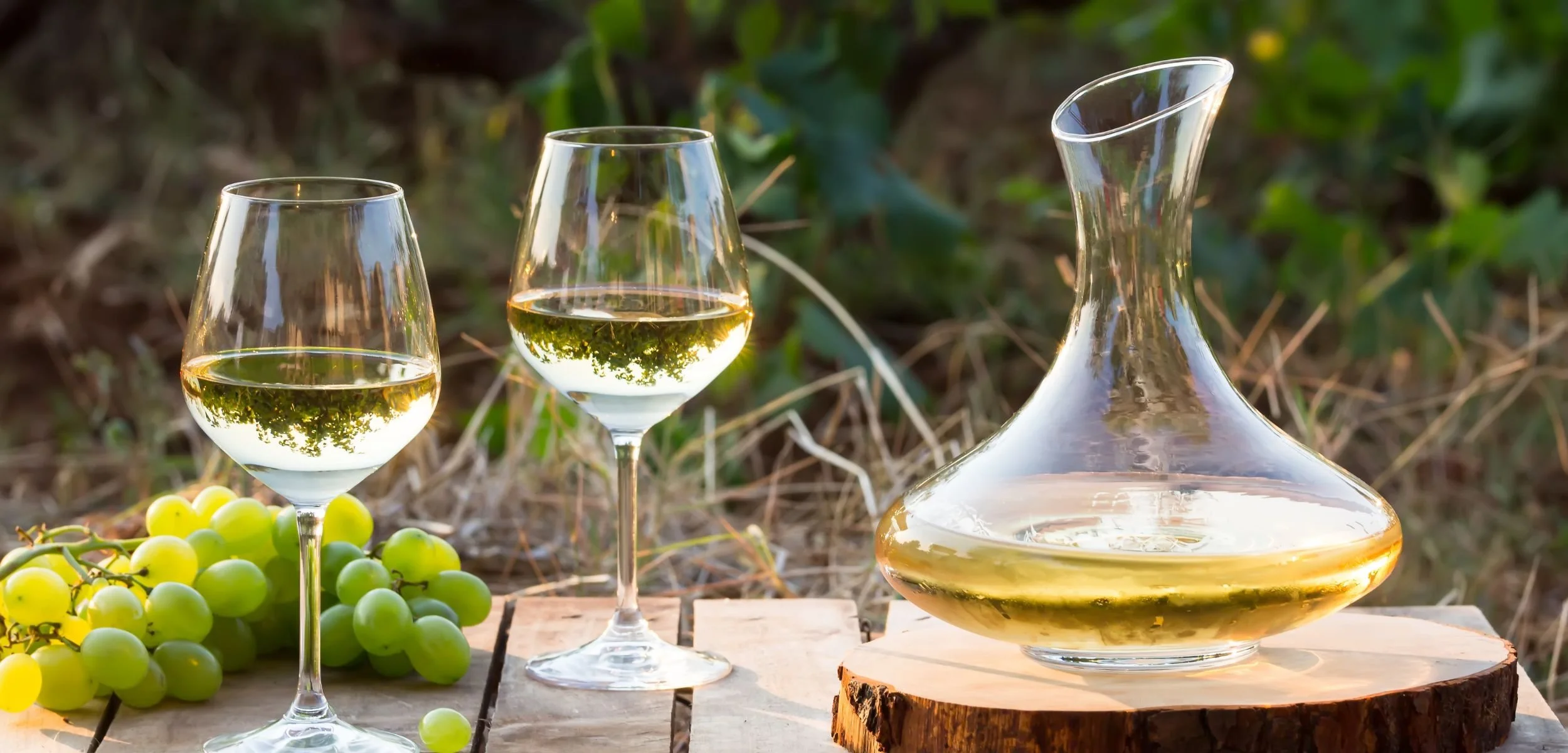
You’d think it would be cheaper.
I used to be “one of those people” who didn’t understand the pricing. I thought something that has no alcohol in it, or less alcohol, should cost less. I remember seeing mocktails on a restaurant menu for the first time. Finally, someone was offering an adult beverage for people who choose not to drink alcohol. And it wasn’t pop, fruit juice, or the stereotypical Shirley Temple, a children’s pretend adult cocktail.
Then I looked at the price.
I was surprised.
If non-alcoholic wine had been on that menu, I would have asked that very question. “Wait. Why is this so close to the price of a regular bottle of wine? It has no alcohol in it!”
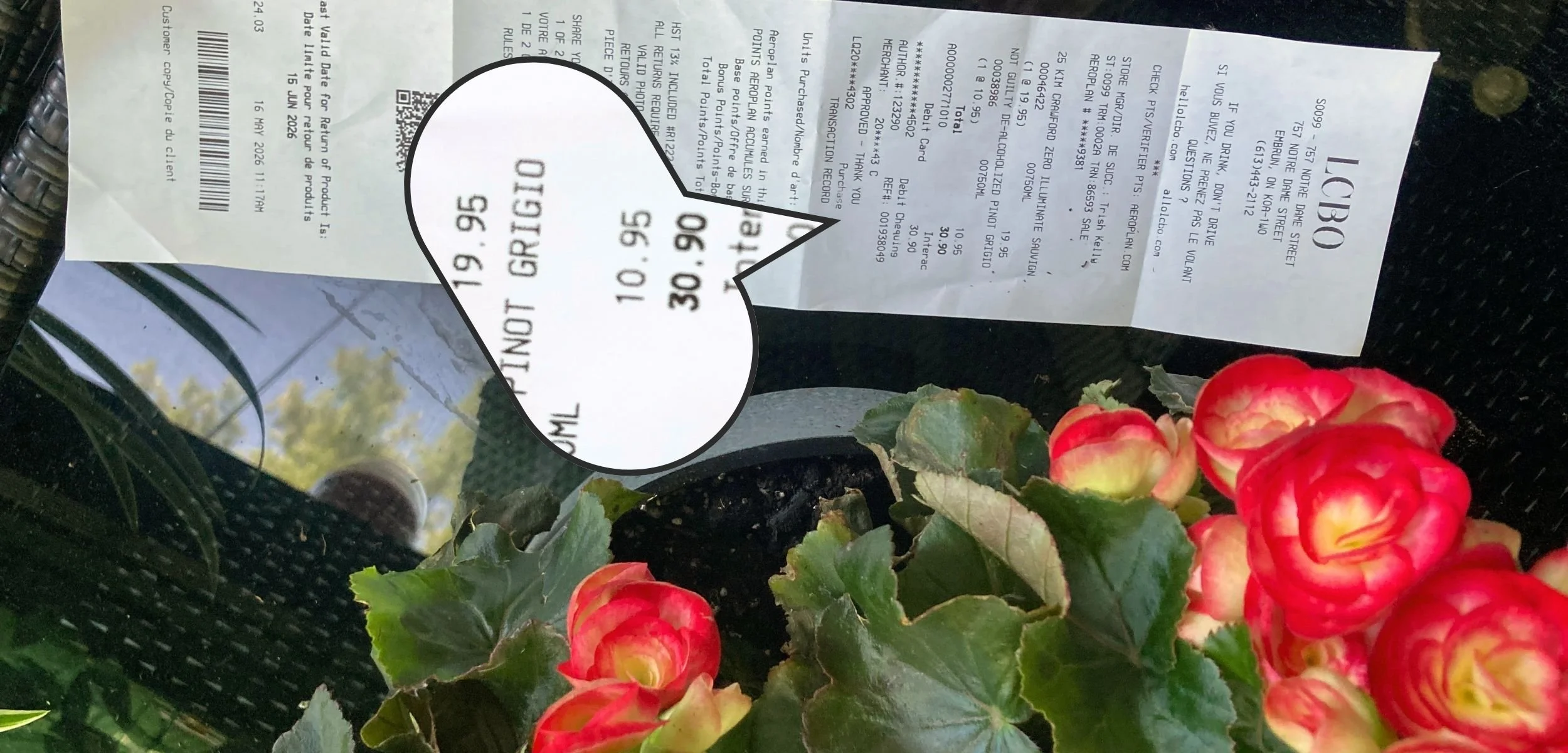
When I started my non-alcoholic wine journey, after my doctor told me to eliminate alcohol, I questioned why a product with no alcohol in it would cost so much. The memory of the high-priced mocktail was still swirling around in my head. It bothered me. For me to feel comfortable buying NA wine, I needed to do some research and find out why.
What I discovered surprised me. The unwritten rule that beverages without alcohol in them are less expensive isn’t true in the case of non-alcoholic wine. That logic works for things like mixed drinks. Alcohol, a high-value product, is added to a lesser-value mixer such as pop or juice. You are paying for the extra ingredient of alcohol.
That is not true for most non-alcoholic wines, especially de-alcoholized ones, where the alcohol is removed, not added.
The base is still wine, and the extra work comes later.
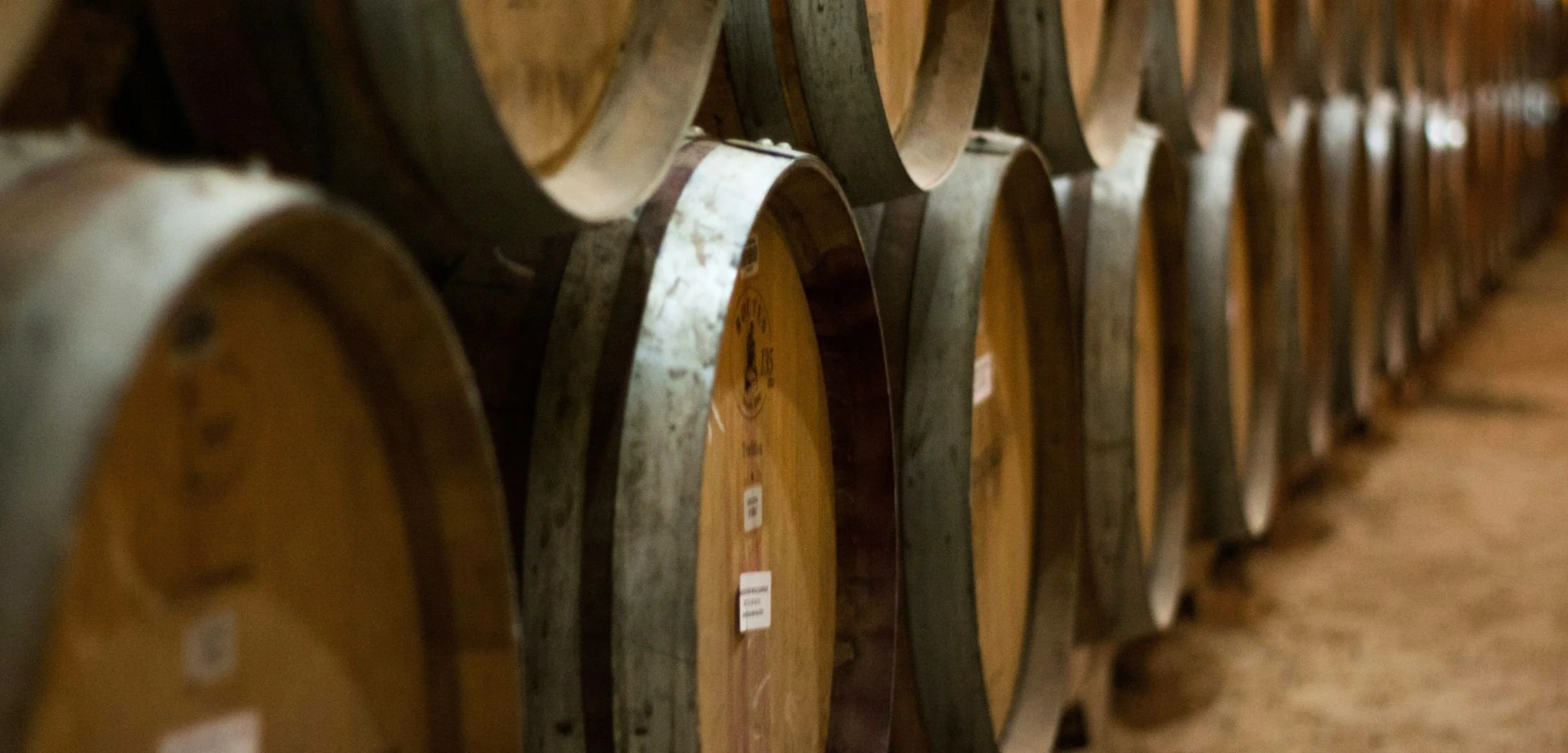
Some people assume that non-alcoholic wine is produced without adding alcohol or by just taking it out, perhaps by waving a magic wand over it. It is not as simple as that.
If we are talking about de-alcoholized wine, it usually starts as a fully fermented wine.
The first step.
Grapes are fermented first, and that can take a year or longer. The fermentation process creates the classic wine flavour components that we love.
The second step.
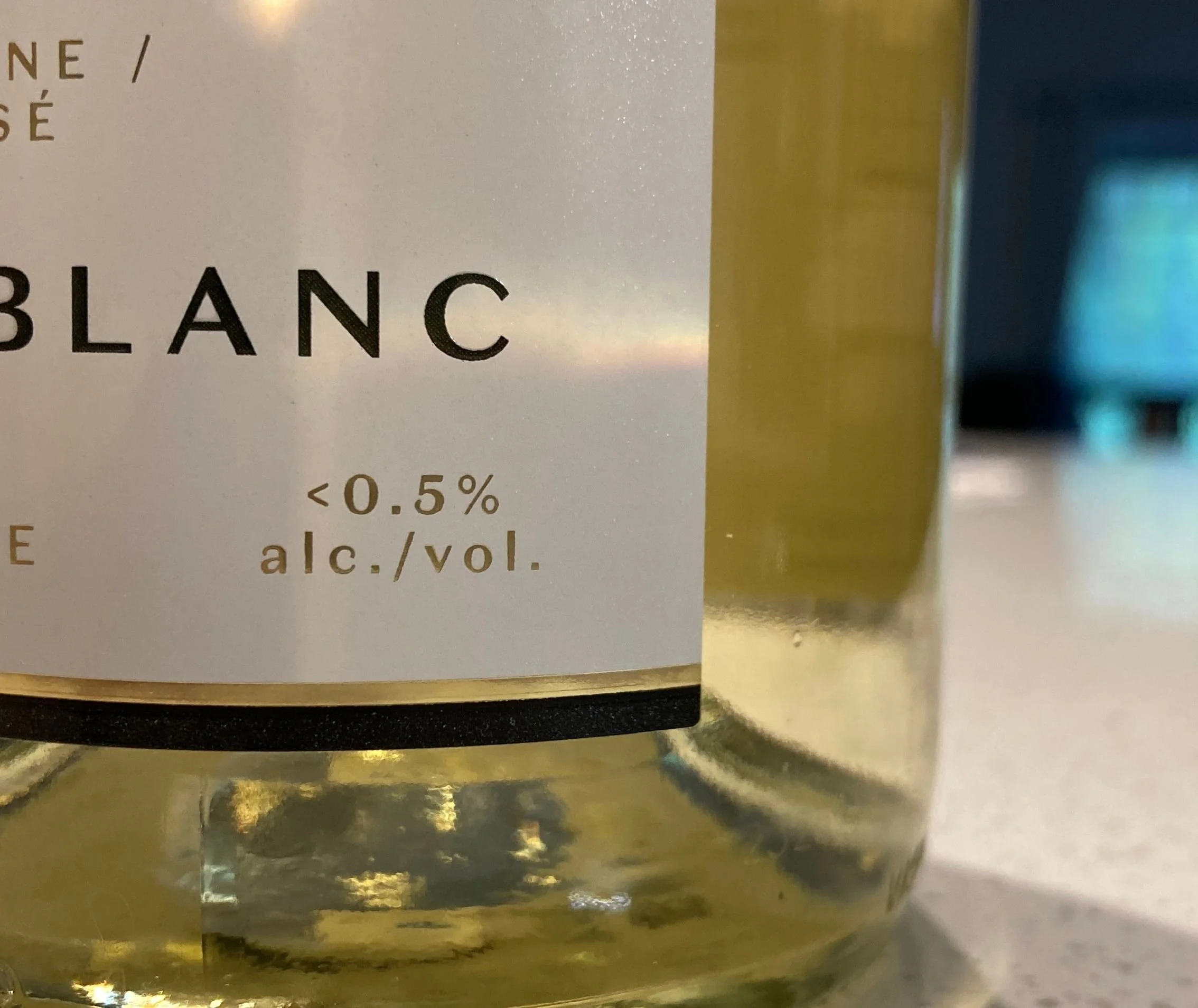
Alcohol is removed or reduced after the wine has been fully fermented. That is where the extra work starts. The process, called de-alcoholization, removes the alcohol using evaporation or filtration. It produces a bottle of wine with a non-intoxicating alcohol level that is determined by the region in which it is produced. In Canada, it generally falls within the 0.0% to 1.1% ABV (alcohol by volume) range. Most are less than 0.5% ABV.
That second step is an added cost. It is the first consideration in pricing NA wine.
The alcohol removal step is expensive, and it can be finicky.
Further complicating the process, producers have to keep the product "wine-like." Removing the alcohol can change the product. It still needs to smell and taste like something you want to drink with food and to enjoy socially. That means extra processing, extra refinement, extra quality control, and more testing. They also have to make sure the bottle behaves well in real life. It has to taste and store properly, like a real bottle.
Quality control and consistency are a cost, not an afterthought
Regular wine has a reputation for flavour and consistency. People know what they are getting when they pick a style that they like.
Non-alcoholic wine has a tougher job. It has to convince someone that this is not an inferior substitute for the real thing.
To do that, brands have to do more quality control work. They need to test batches and adjust blends. They need to keep the flavour consistent, and that extra effort shows up in the final cost.
It is also why some bottles are better than others and why some taste more like the wine you remember that contained alcohol. Consistency matters more when you are trying to create a familiar experience without the effects of alcohol.
A smaller scale can mean fewer economies of scale
Another reason pricing can be similar is scale.
Regular wine is produced in large quantities across the world. Factories, distribution channels, supply chains, and demand for the product are all well established.
Non-alcoholic wine is newer and is a smaller category than regular wine.
A smaller category means less volume. Less volume often means higher per-unit cost. Even if the grapes, equipment, labour, and basic winemaking ingredients have similar costs, it is not the same when you are looking at fewer bottles.
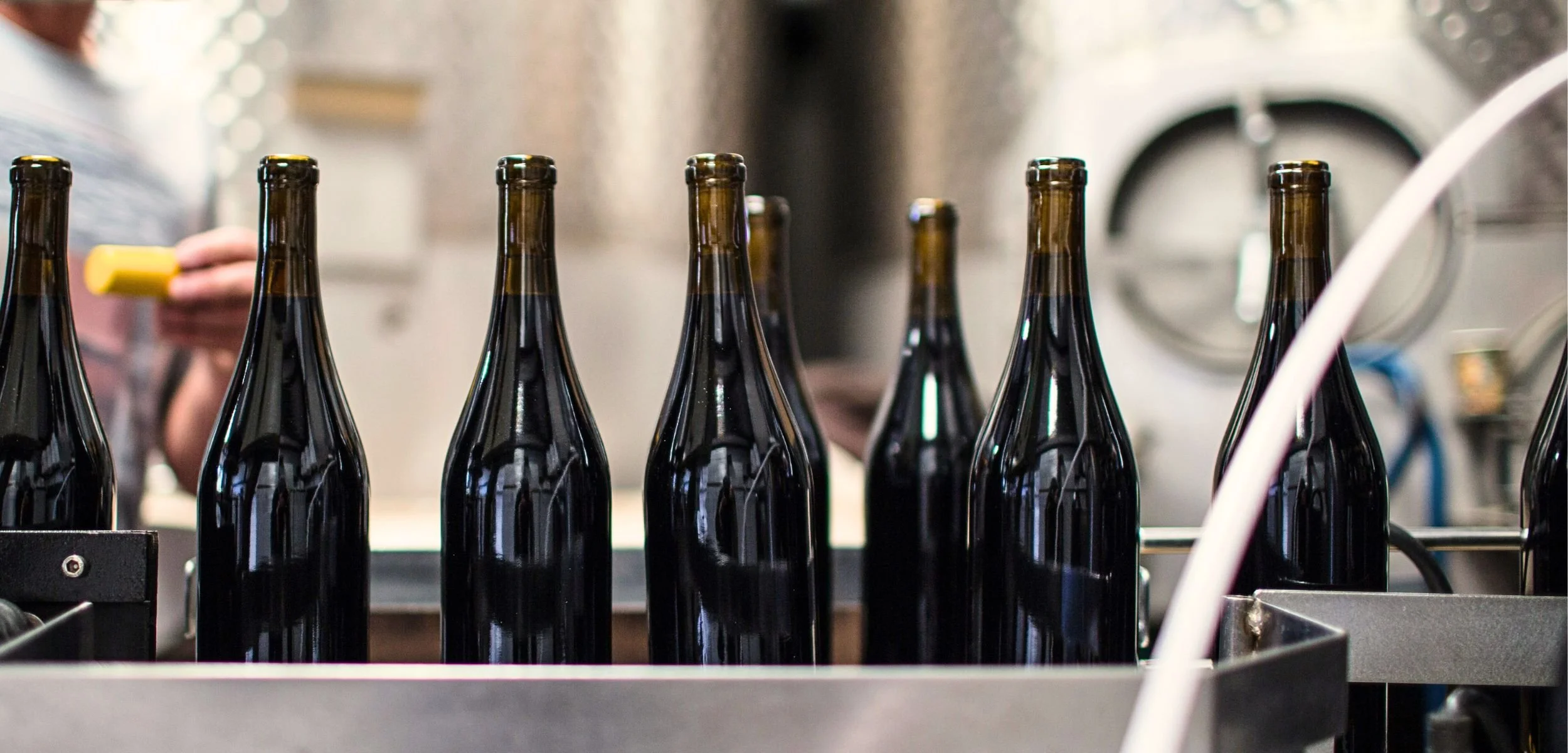
Even though the alcohol is removed, the major costs of producing wine do not disappear.
Grapes still have to be grown and harvested. Skilled winemakers still make the wine. Packaging and logistics still happen. Labelling and testing still happen.
Nothing changes in the production of the wine. The extra step of removing the alcohol is added to the process at the end.
Regulations and classification do not erase costs
I also learned something that helped my brain wrap around the whole thing.
Regulations do not remove costs. They add a layer of compliance.
In Canada, non-alcoholic and low-alcohol claims depend on specific thresholds, and products still need to be labelled, tested, and verified. The rules still require work, even when the product ends up with less alcohol.
“Non-alcoholic” is not an automatic discount. It is a different category with additional constraints.
Market pricing can be driven by consumer comparison
This part surprised me, but it makes sense.
People compare products. If non-alcoholic wine is seen as part of the same “wine on the shelf” world, retailers often price it closer to regular wine. Some consumers will only consider purchasing it if it feels like “real wine," not a glorified juice box.
The price may be set by what the market will pay, not just by the cost of reducing the alcohol.
Sometimes, non-alcoholic wine really is cheaper, especially for simpler products or higher volume options. But when a brand puts more effort into making it taste more like “the real thing” and produces smaller quantities, the price often ends up closer to regular wine.
What I think now, after understanding the pricing
Now that I understand the pricing, it totally makes sense.
It changed how I think about choosing a bottle of non-alcoholic wine. If I pay more, I am not just paying for “no alcohol.” I am paying for the work that went into keeping the wine experience that I am looking for while lowering the alcohol to be something safe for me to drink.
I can still have preferences. I can still want better value. But I do not feel confused anymore.
I can enjoy the product for what it is.
And honestly, that mindset shift matters. Because when I am shopping for NA wine, I am not consumed with justifying the cost in my head. I am merely trying to find a nice bottle of NA wine to enjoy. Something that lets me keep the wine ritual that I enjoy with meals and social gatherings, but without the alcohol.
I would never bring grape juice to a friend’s for dinner because it is not the same. I want to bring wine. I want to drink wine again. Wine that doesn’t have a high level of alcohol is not good for me. I want the flavour that I enjoy in wine. I want the wine glass. I want the enjoyment that wine gives me.
Once I accepted the logic, pricing turned into a different question for me. Not “Why is it the same price?” but “Is it something that I will enjoy?”
Non-alcoholic wine costs about the same for a reason. The process for making the wine is the same, and it bears all of the same costs. The difference is that it goes through an extra step before it hits the shelves. That step involves many factors that result in a product that is as close to regular wine as possible. That step results in a bottle of wine that you will enjoy, but without the alcohol.
Keep this in mind when you shop for your next bottle of NA wine, and you will enjoy the bottle that much more.
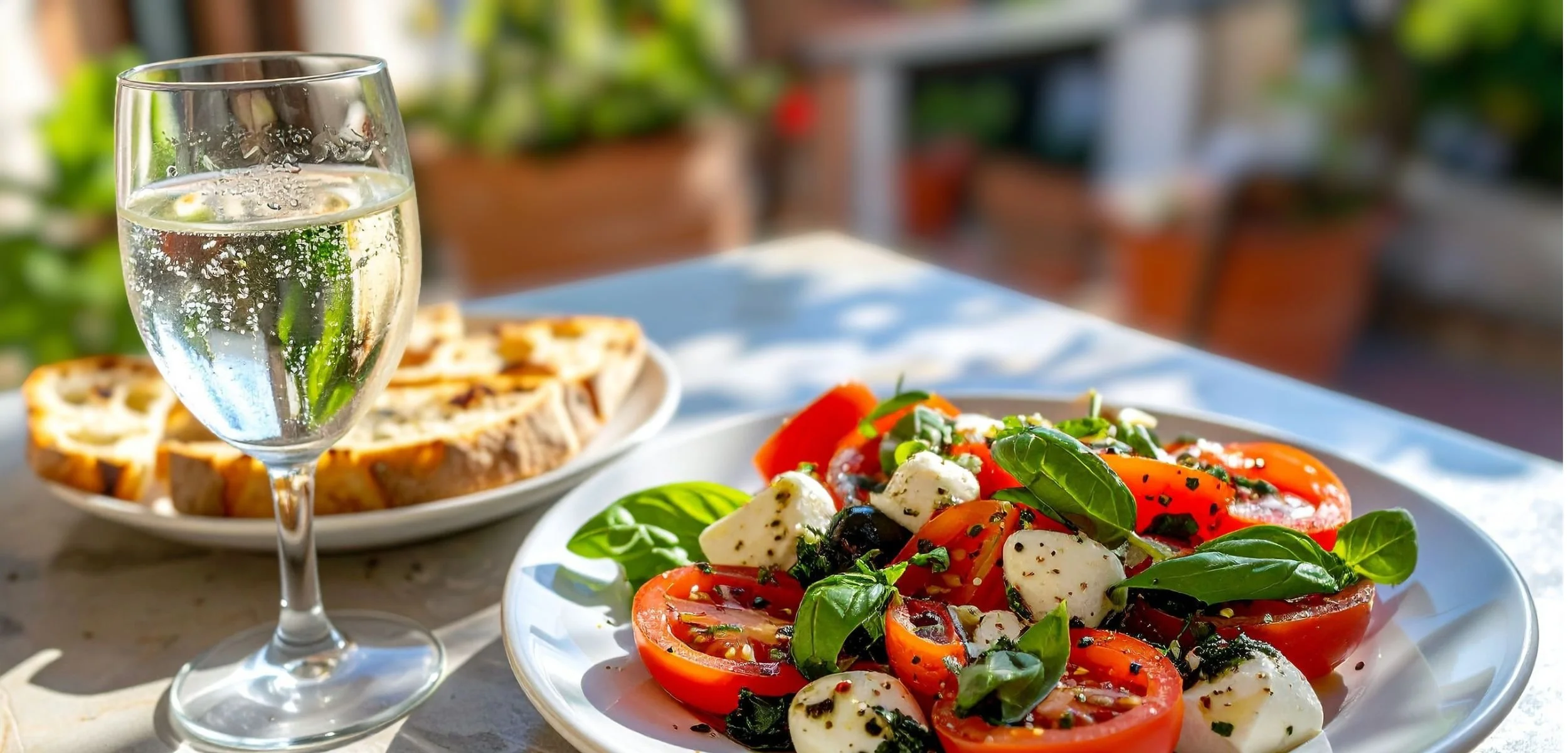
If you want to know which non-alcoholic wines I have tried, I share my reviews on Modern Drinking.