
I Lost 40 Lbs. How Non-Alcoholic Wine Fit My Weight-Loss Plan
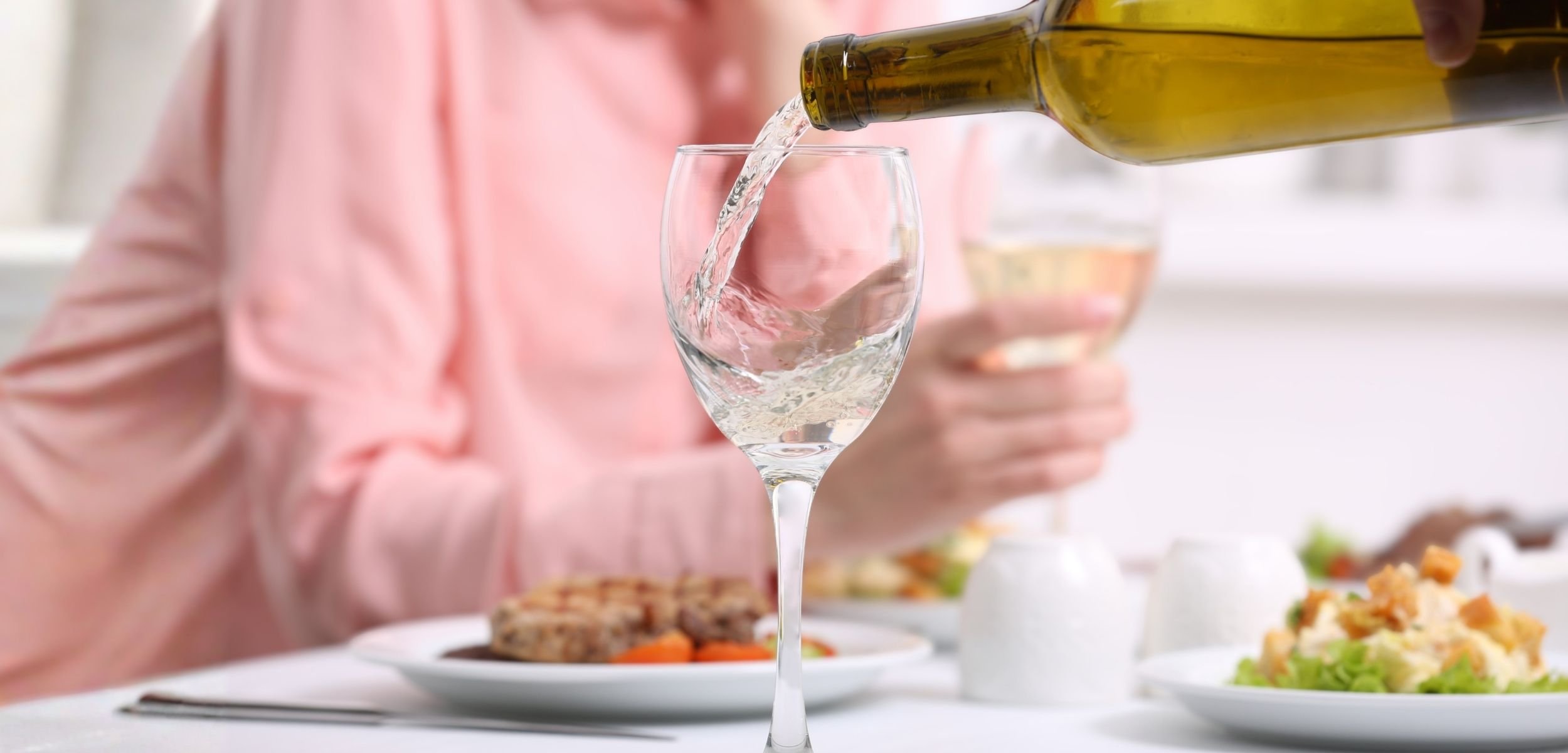
I thought I was giving something up.
My gastroenterologist told me to stop drinking alcohol and to lose weight. I downloaded a food tracker app, and I started to track my daily caloric intake of food and beverages. I lost 40 lbs, about 18 kg. I am proud of what I accomplished by following a calorie deficit and tracking my healthy diet.
After I quit alcohol, I realized one thing fast. I knew that I needed to find something to drink that would replace the wine that I enjoyed and that would fit my daily calorie goal. I don't like pop or anything sweet, and I wanted something to enjoy with my meal other than water. But I missed wine. It was part of my life. A dinner ritual. A simple joy. Something I did without thinking too much about it.
Then I discovered non-alcoholic wine.
Alcohol is high in calories, and it adds up. Even when you feel like you are drinking “a little,” it can quietly push your day off track if you are trying to lose weight. Non-alcoholic wine could be an option for me. A way to keep the ritual of enjoying a glass of wine without the alcohol and without derailing my weight loss.
NA wine is considered a beverage because it contains little or no alcohol. Bottles have a nutrition label like all food products. Labels include calories per serving. I realized that I could choose a bottle with a calorie count that would fit into my daily plan. Next, I looked at the sugar. If a bottle were too high in sugar, it would be too sweet for me. I could easily pass on it and move on. If it all fit, I would be able to enjoy a glass of wine again without turning my weight loss into a daily battle.
At first, I made a big assumption.
I assumed all non-alcoholic wine would taste the same. I had heard the rumours about grape juice wine, so I expected the worst. I expected compromise. I expected to feel left out. I expected second-best.
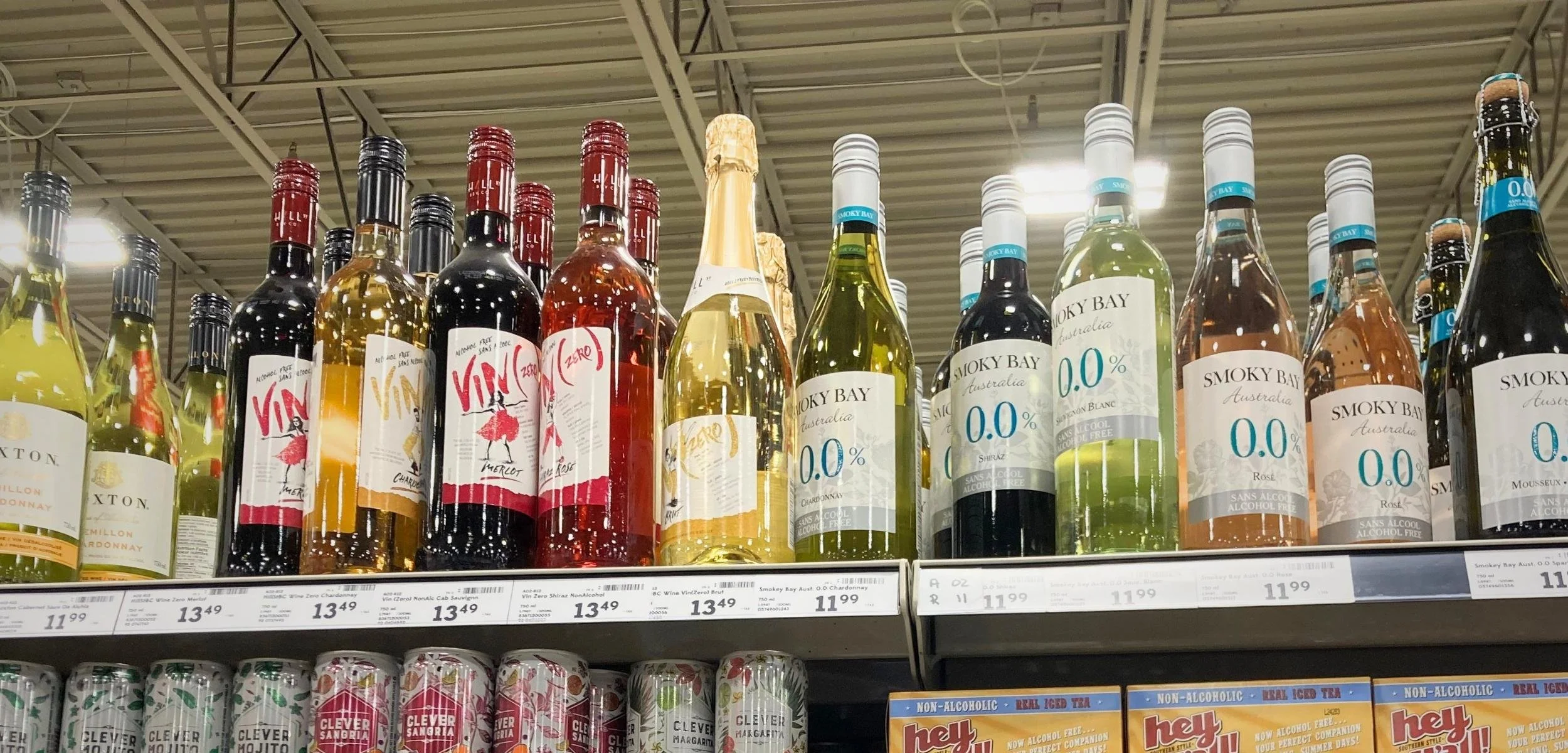
The grocery store was my first teacher. I went in looking at labels, trying to make decisions fast. I saw a display of non-alcoholic wine I had never noticed before. The bottles were lined up, and I did not feel excited. I felt unsure.
I kept drinking what I bought, and I kept learning my way around it.
I had not yet thought to check where the wine came from or how different bottles could taste. I was looking at sugar and calories, because that was what mattered to my daily plan. I also thought NA wine would be 0% across the board. I was buying with hope, not confidence.
Early on, I bought with the wrong kind of confidence. I focused on sugar and calories, but I also expected the experience would be the same from bottle to bottle. I was skipping the parts that would tell me what I was really getting. When I ran into bottles that tasted too sweet for me, I learned the hard way. It was not just about quitting alcohol. It was about choosing an NA wine that could fit my calorie deficit and my personal taste.
Some bottles were decent enough. Some were sweeter than I liked. Some were fine if I stopped comparing them to regular wine. Still, I carried around the feeling that this was going to be one long compromise.
I had moments where it felt like I was watching life from the outside.
I was not just giving up alcohol. I was giving up a social comfort. I was giving up the ease of bringing a nice bottle of wine to a friend's for dinner. I wanted to be part of the ritual, not the odd one out.
So I kept searching.
I changed where I shopped. I tried a larger LCBO selection in the city, and it became a turning point for me. I found a bottle that tasted closer to wine than grape juice. It was delightful enough that I stopped dreading the search. That matters. Not because I suddenly became an expert, but because I finally believed I would find something I would enjoy enough to not feel deprived.
I wanted wine in my life, but I needed it to work with my daily numbers.
What I learned early is what I still rely on now. You do not need to be an expert. You need a system that takes the stress out of shopping. For me, the system is simple.
What I look for in the store
Calories per serving
I look first because I track my daily numbers.Sugar per serving
Sugar per serving
Sugar tells me quickly if it will feel too sweet for me.
Sweetness level I can enjoy, from my personal sweetness scale
I already know what I like, so I do not waste time guessing.
Does it taste more like wine or fruit juice
I can usually tell after the first sip, but some wines change after they are chilled
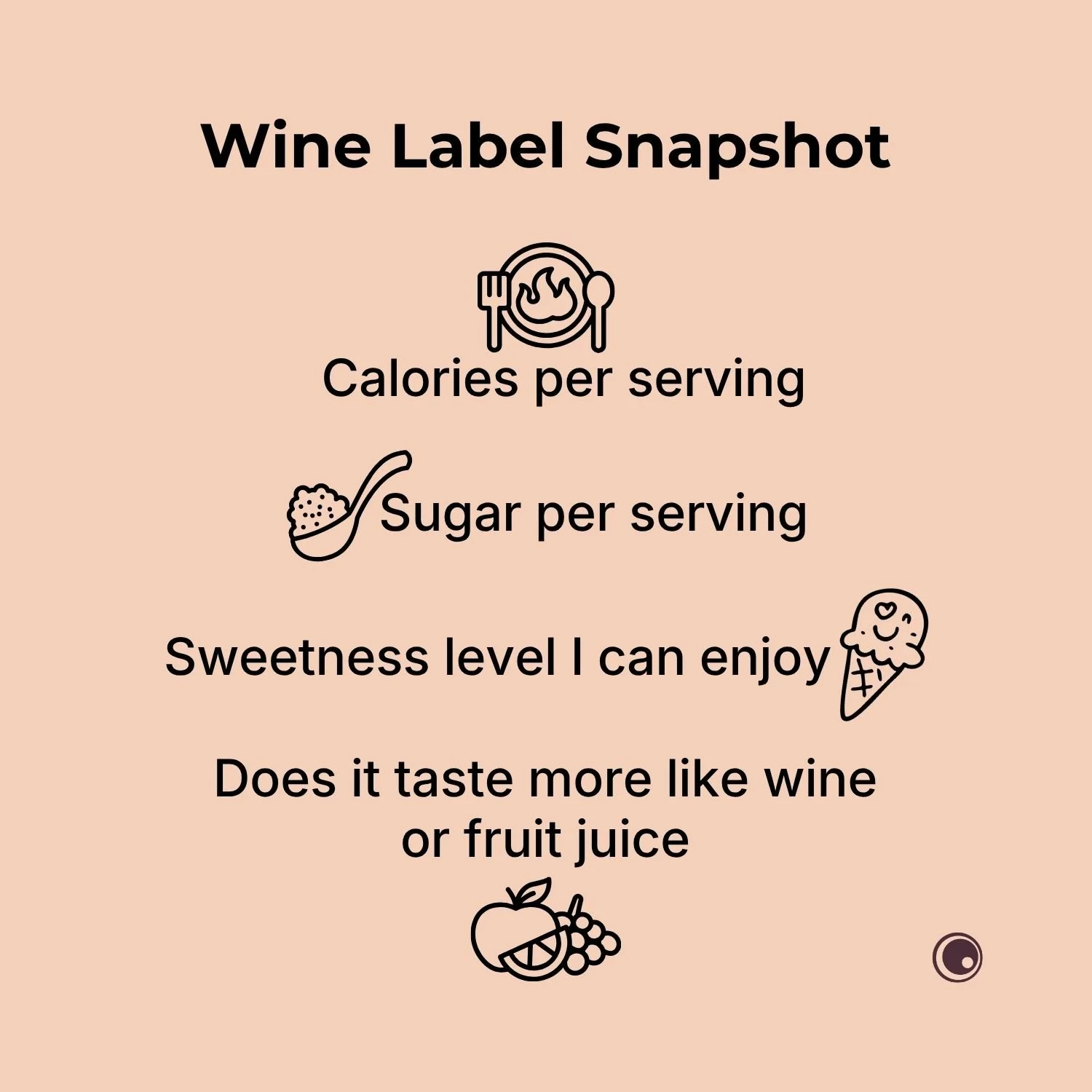
That checklist is not complicated. It is honest, and it keeps me from buying based on hope alone. It also keeps me from blaming myself when a bottle is not a match. If it does not work, I learn, and I move on. Some wines cost more, some look more appealing, and some are on sale for a reason. A grocery store display can look promising, but labels do not tell the whole story. I do not have to get everything right the first time. I just need to keep choosing in a way that supports my routine.
I still make mistakes. I still try bottles that I am not sure about.
I also learned something else. Instinct matters.
I bought a rosé because I liked the look of it. I liked the colour in the bottle. It was a lovely pale coral, and even though I sometimes find rosé too sweet, something told me to try it. It turned out to be delightful. Light, refreshing, and not too sweet. It even pulled me into making shrimp pasta with a rosé sauce, and that is when it hit me.
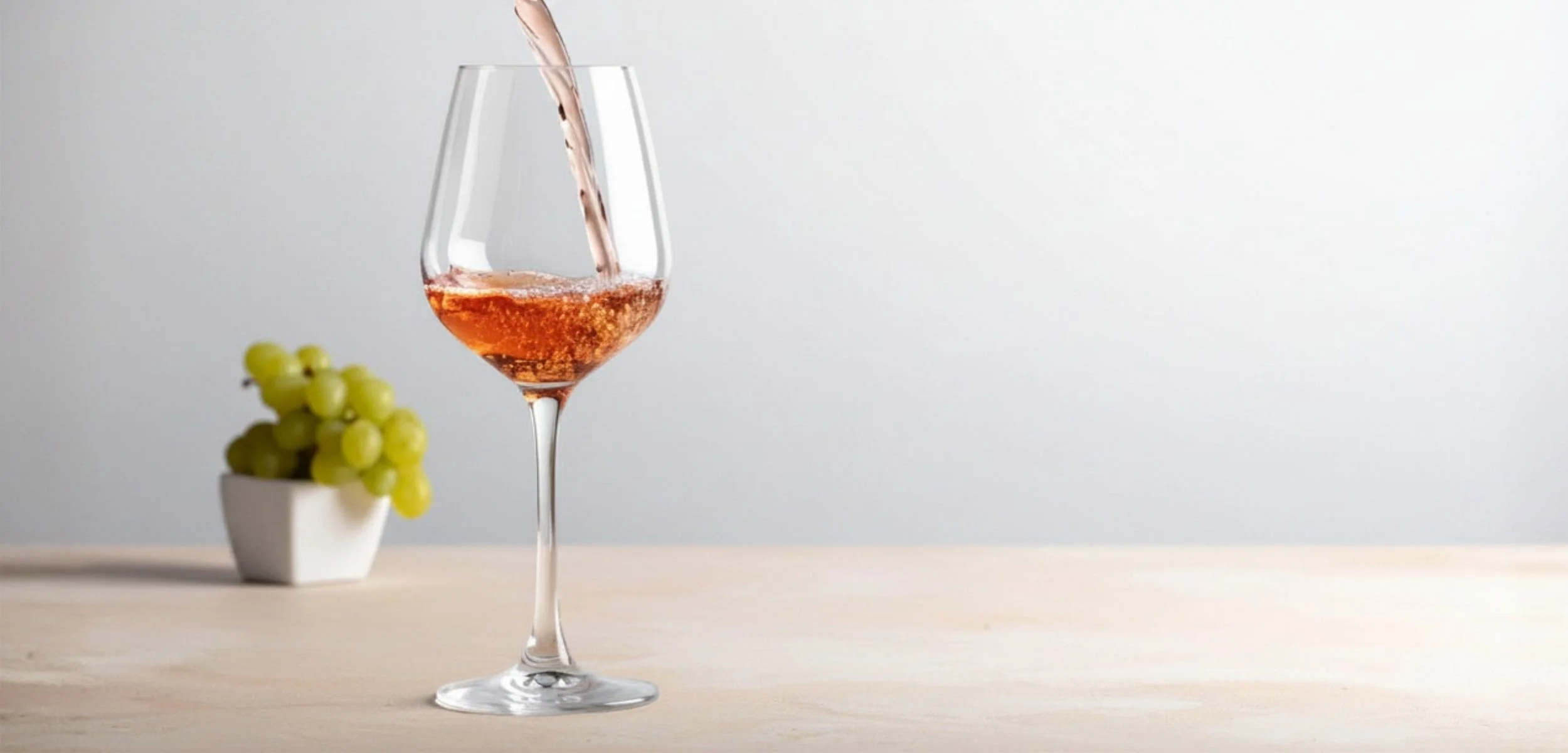
Discover the right fit, and non-alcoholic wine becomes a natural, enjoyable part of your routine
My advice is simple.
You are allowed to start messy. You are allowed to try a bottle and learn from it. You are allowed to change your mind and adjust your system as you go. Non-alcoholic wine is not magic. It is a category with options. Some fit. Some do not.
What I want for you is this.
I want you to feel hopeful.
You can still fit wine into your life, even if you are working toward your health goal. You do not have to feel deprived all the time. You do not have to feel like the odd one out. You just need a way to choose NA wine that supports your goals.
My practical takeaway is simple. If you track your calories, start with calories per serving and sugar per serving on the label. Then choose what you know you can enjoy, and ask yourself one honest question after the first sip. Does it taste more like wine or fruit juice for you?
If it does, you keep it. If it does not, you learn and try again.
That is where I am now. Learning, adjusting, and building a life where the ritual stays, and alcohol does not. I am at the beginning of my journey, and I can’t wait to see what I discover and learn.